St Margaret’s

OUR COMMUNITY

LIFE,
TOGETHER.

A coffee and a conversation. A helping hand. A place to create, connect and belong. Discover the people, groups and shared spaces at St Margaret’s.

An aerial view of St Margaret’s Church, RainhamSt Margaret’s Church in the snow

FIND YOUR PLACE

FILTER BY
The original photograph of St Margaret’s bell ringers

A SOUND THAT BRINGS US TOGETHER

Bell Ringing At St Margaret’s

Discover the story of our eight bells, the people who ring them, and how to find out more about this living tradition.

Tables and coffee pot at St Margaret’s Church

GOOD COFFEE. GOOD COMPANY.

Coffee Morning

A midweek pause with coffee, tea, cake and conversation in the church. There’s no charge and no need to book, just come along.

THURSDAYS · 10AM–12PM
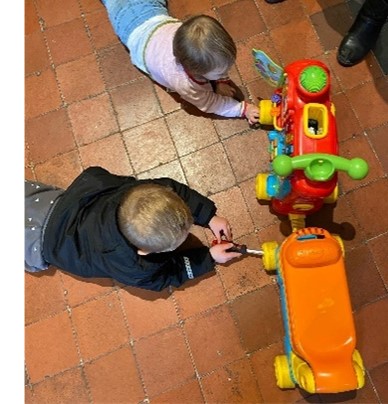
Children’s play activities at St Margaret’s Church

A PLACE TO CONNECT

Community Hub

Come together for conversation, children’s activities, books and a warm welcome. The Community Hub brings people and practical support together.

TUESDAYS · 9–11AM
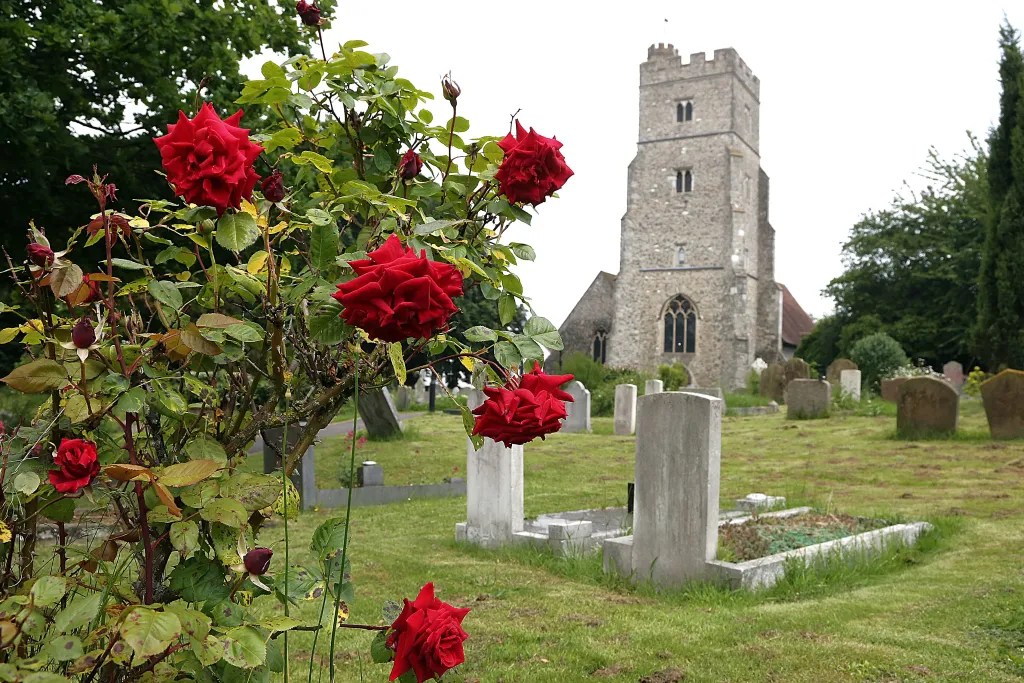
Roses growing in St Margaret’s churchyard beside the church tower

CARING FOR OUR SHARED HOME

Eco Church

Explore our Eco Church journey and the practical ways our community cares for creation, from church life and buildings to everyday choices.
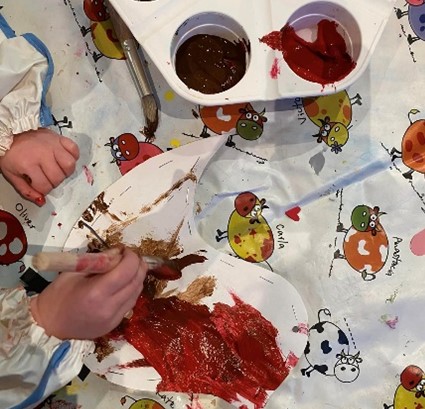
Craft activities at St Margaret’s Family Friendly Coffee Morning

LITTLE PEOPLE. BIG WELCOME.

Family Friendly Coffee Morning

A relaxed, free play group for babies and children under five, with toys, crafts and breakfast. Parents and carers can enjoy a coffee while children play.

MONDAYS · 9–11AM · TERM TIME

St Margaret’s Church viewed from the High Street

LOOKING AFTER A PLACE WE LOVE

Friends of St Margaret’s

Help preserve St Margaret’s for the generations ahead. Meet the Friends and discover their work caring for the church building and grounds.
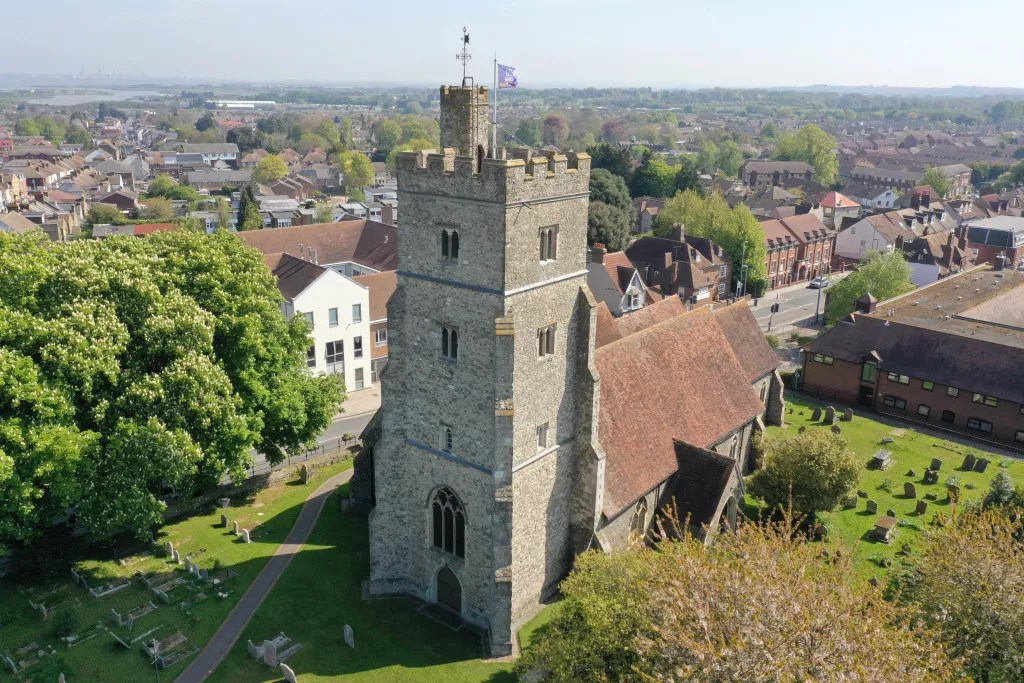
An aerial photograph of St Margaret’s Church and churchyard

A CLOSER LOOK

Gallery

Look around St Margaret’s through the existing photo collection, from the tower and churchyard to the details inside.
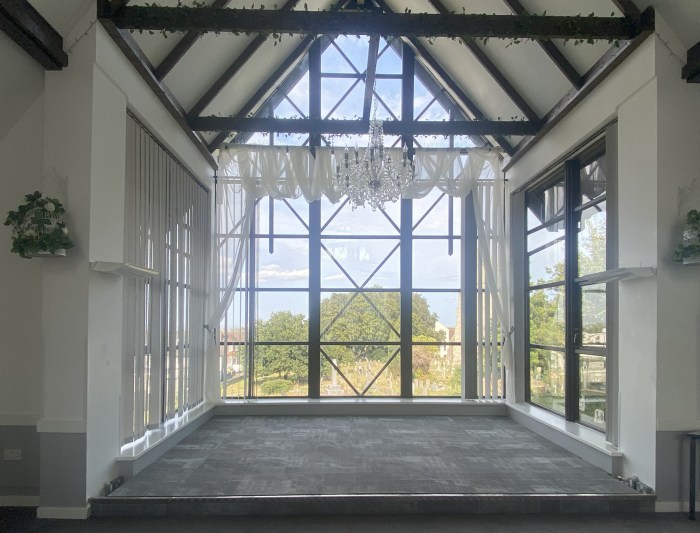
The Callaway Suite at the Millennium Centre

SPACES TO SHARE

Hall Hire

A celebration, a class or a gathering. Discover the Millennium Centre’s flexible rooms and find the space that works for you.
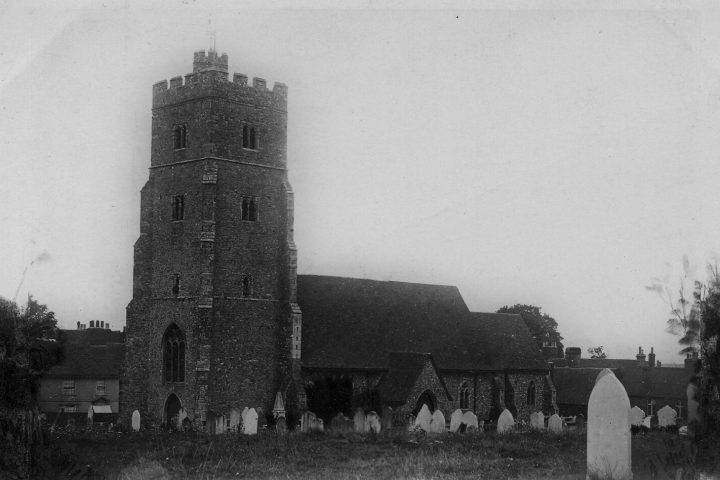
Historic view of St Margaret’s Church, Rainham

800 YEARS OF STORIES

Heritage

Explore the church’s history, archives, stained glass and churchyard. Discover the stories that have shaped this building and the community around it.
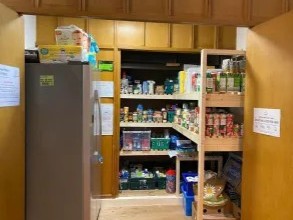
The community food larder at St Margaret’s Church

TAKE WHAT YOU NEED. LEAVE WHAT YOU CAN.

Just Say Hello Food Project

Our community fridge and larder supports Rainham residents with food and toiletries, while reducing waste and helping people connect. No voucher is needed.

TUESDAYS · 9–11AM / THURSDAYS · 10AM–12PM

Breakfast food and toast prepared at St Margaret’s Church

BREAKFAST AND A CHAT

Men’s Breakfast

An informal gathering for men of all ages and walks of life, whether you attend church or not. Enjoy breakfast, conversation and occasional outings.

FIRST & THIRD SATURDAYS · FROM 9AM
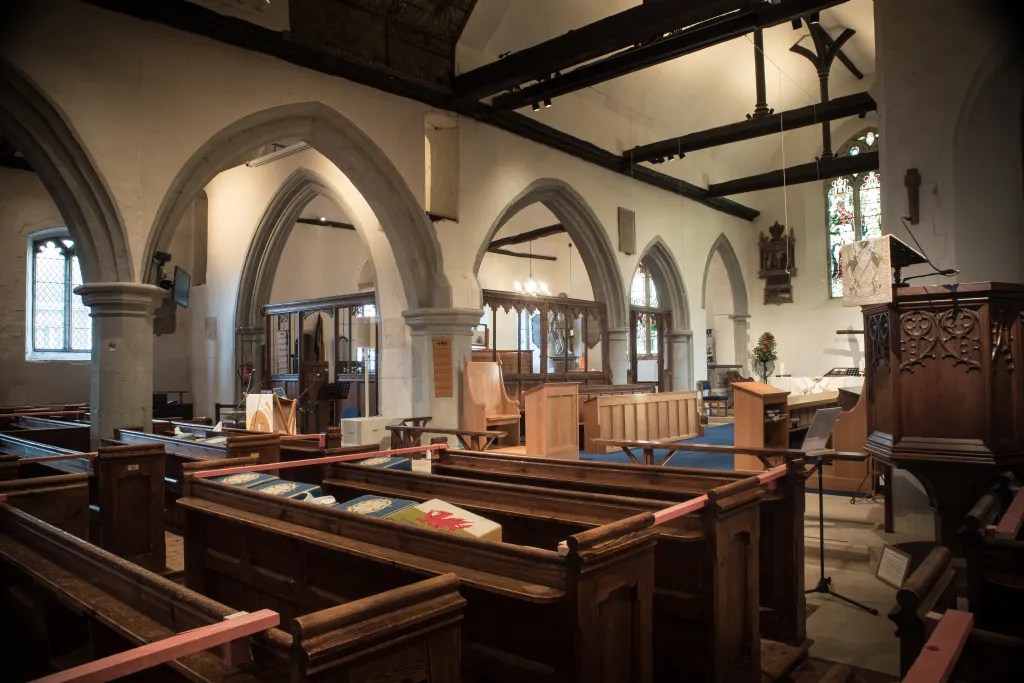
The interior of St Margaret’s Church, which welcomes local school visits

GROWING TOGETHER

Schools

Find links to the local primary and secondary schools listed by St Margaret’s, with each school’s website available from one place.

Clergy and congregation at St Philip’s Tafara

FRIENDSHIP BEYOND RAINHAM

Tafara

Our parish friendship with St Philip’s Tafara in Zimbabwe connects congregations through prayer, partnership and regular contact. Discover the people and story behind the link.

ST MARGARET’S · RAINHAM

Bell Ringing At St Margaret’s

St Margaret’s church has a ring of 8 bells, hung in a tower built around 1470, and stands nearly 100ft high. Just to get to the ringing chamber, there are 40 steps up the spiral staircase. The current oldest bell dates from 1582, but records show a previous bell dating back to at least 1517. Between 1773 and 1913, Rainham had a ring of 6 bells.

In 1913, the original 6 bells were rehung in a new steel frame, and 2 bells were added to create the current ring of 8. In 1982, the bells were rehung on new fittings (roller bearings), and only regular maintenance has been required since.

On 29th October 1913, the first peal on 8 bells was rung, and on the same day in 2013, another peal was rung to celebrate the 100th anniversary of this achievement.

More details are available at Love’s Guide to the Church Bells of Kent.

[Photo: Paul C, Johnson]

WHAT IS BELL RINGING ALL ABOUT?

Bell ringing is a team activity that stimulates the brain and helps keep you fit. It also makes a glorious sound! Many consider ringing to be their contribution to church life, others do it for the pure pleasure it brings. Music is created by moving bells up and down in the ringing order to a defined sequence or changes, or a method.  Learning a few simple methods allows ringers to join in with other bands in towers around the world.

Ringers come from all walks of life and range in age from ten to those in their eighties.

“When I’m ringing, I forget all the tensions and frustrations of the day. Even better, you couldn’t wish for a nicer group of friends.”

BECOME A BELL RINGER

Bellringing, the ultimate team activity, join a tradition dating back 400 years.

When are bells rung?

What’s in it for me?

A hobby which involves:

HOW LONG DOES IT TAKE TO LEARN?

Initial teaching takes place on a one to one basis, and most beginners will be ready to ring with a band in a few weeks or months. The basic skill lies in being able to control a bell that rotates a full circle using a rope attached to a wheel.

There is always something new to learn, and ringers progress at their own pace depending on the time and effort they devote to increasing their practical experience. If you are interested in the idea of becoming a ringer, get in touch with the church office: office@rainhamchurch.co.uk.

ST MARGARET’S · RAINHAM

Coffee Morning

Every Thursday from 10.00am to 12.00 noon, the doors of St Margaret’s are open for our Coffee Morning, a warm and friendly space to pause in the middle of the week.

There’s always fresh coffee, tea, and plenty of cake, along with good conversation and a relaxed atmosphere. It’s a simple way to connect with others, make new friends, or just enjoy some time out in the beautiful surroundings of the church.

You don’t need to book, and there’s no charge, just come along and you’ll find a warm welcome waiting. Whether you come every week or just pop in occasionally, you’ll be part of the family.

Everyone is welcome.

ST MARGARET’S · RAINHAM

Community Hub

Our Community Hub is a welcoming place to meet people, enjoy a cuppa and spend time together. Join us at St Margaret’s on Tuesdays from 9am to 11am for conversation, activities and a friendly face.

With books, toys and games, Stitch & Unpick, and access to our community larder, there’s something for different ages and interests. Come along on your own or with someone else, you’ll be warmly welcomed.

ST MARGARET’S · RAINHAM

Eco Church

It was during 2020 and often with people meeting online, that St Margaret’s started the journey to show that we could be recognised as an Eco Church. A Rocha UK’s Eco Church programme equips churches in England and Wales to care for creation. Eco Church is a learning community of churches of all shapes and sizes open to all denominations. It provides a framework to support your church and its leadership to take practical action on caring for God’s earth through the Eco Church survey. The survey covers five key areas of church life:

  • WORSHIP AND TEACHING
  • BUILDINGS
  • LAND
  • COMMUNITY AND GLOBAL ENGAGEMENT
  • LIFESTYLE

In 2021, after completing the survey in the five areas, St Margaret’s was assessed to have earned a BRONZE AWARD.

Our journey continues with our clergy, PCC, and a group of volunteers considering the five key areas of church life as we work towards a silver award. As a church, we aim to take practical steps to care for God’s earth and to promote environmental awareness. Please read more about the Eco Church Award via the link below, and please come forward if you have any questions or would like to be involved.

EXPLORE ECO CHURCH

SOME OF OUR ACTIONS

Eco Church action
Eco Church action
Eco Church action
Eco Church action

ST MARGARET’S · RAINHAM

Family Friendly Coffee Morning

NEXT COFFEE MORNING

Every Monday during term time from 9am-11am we offer a Child Friendly play group, located in the Church. A safe space for babies, toddlers and children under 5’s. Parents, and carers can enjoy a well deserved coffee break while the Children have fun with various craft, toys, breakfast, and much more. There is no charge, but we hope you take a couple of biscuits to enjoy your time with us. 

ST MARGARET’S · RAINHAM

Friends of St Margaret’s

St Margaret’s church is one of the finest buildings in the Medway Towns and contains many unique features. Being a medieval building, it does however need continual upkeep and repair both internally and externally. Unlike many historical sites in England this church receives no direct financial support from the government, nor does it have recourse to any funding from within the Church Of England.

WHO ARE THE FRIENDS
AND WHAT DO THEY DO?

The Friends of St Margaret’s Church was established in 1978. Its only aim is the restoration, preservation, repair, maintenance, improvement and beautification of the building and its grounds. The Friends are a diverse group of people who share in this common goal and want to ensure that this wonderful heritage and important landmark is passed on to future generations. An open door is offered to all, irrespective of any religious faith or not.

HOW TO BECOME A FRIEND

If you are interested in becoming a Friend, please leave your contact details at the church office and a member of the group will get in touch with you.

ST MARGARET’S · RAINHAM

Gallery

Discover St Margaret’s through a collection of photographs celebrating over 800 years of history. From the church tower and stained glass to the details of its interior, these images offer a glimpse of our heritage. Explore views across the seasons, alongside photographs of church life and special moments in our community.

ST MARGARET’S · RAINHAM

Hall Hire

BOOKING ENQUIRY ↗

Welcome to the Millennium Centre, the heart of Rainham. Nestled in this charming community, our centre offers a range of versatile spaces to suit your every need.

From the spacious and awe inspiring Callaway Suite with its breathtaking views of Rainham and the river, ideal for weddings, training events, and more, to the flexible Terrace, perfect for fitness groups, quiz nights, and transforming into a delightful venue for sit down meals and disco nights with just a touch of lighting magic. Complete with tables, chairs, and a well equipped kitchen with a large serving hatch, it’s ready to host your memorable events.

At the Millennium Centre, we understand that every occasion is unique, and our spaces are designed to adapt to your vision. Whether it’s a grand wedding, a corporate gathering, an intimate meeting or a funeral reception, we provide the perfect backdrop to bring your ideas to life.

Discover the ideal venue for your next event in the heart of Rainham, where stunning views, versatile spaces, and exceptional service come together to create unforgettable moments. Explore our spaces, check availability, and make your booking today. Your dream event starts here, at the Millennium Centre.

SPACES TO HIRE

ST MARGARET’S · RAINHAM

Heritage

Welcome to the heritage section of our church. With over 800 years of history, St Margaret’s has been a place of worship, community, and significance through the centuries. Thanks to funding from the National Lottery Heritage Fund, we’ve been able to digitise, much of our rich history online.

Here, you can explore our historic archives, discover records of those laid to rest in our churchyard, and learn more about the stories and events that have shaped our church and community. Whether you’re researching local history, tracing your family tree, or simply curious about the past, these resources offer a fascinating glimpse into our shared heritage.

Explore the links below to begin your journey through time.

Church Archive

Our church archives offer a unique window into centuries of history, with records dating back to the 1500s. Here, you can explore a wealth of documents that capture the life of the church, and its role within the local community across generations. From parish registers and historical correspondence to records of significant events, our digitised collection provides a valuable resource for historians, genealogists, and anyone interested in the rich heritage of our church. Browse the archives below to discover stories…

Churchyard

Here you can explore all about the churchyard, including the interactive map.

Heritage Booklet

Please see below the online version of our heritage booklet.

Historic view of St Margaret’s Church, Rainham

Stained Glass

Discover the stained glass at St Margaret’s, the artists behind the windows and the craftsmanship that brings colour and light into our church.

Tufton Family

Discover the Tufton family’s connection with St Margaret’s through their monuments, charitable work and sporting history. Explore the family’s stories and trace the generations in the family tree.

3D Models

Here you can view the 3D models of St Margaret’s Church that the Kent Archaeological Society has produced. You can also click here to see them on their site here.

ST MARGARET’S · RAINHAM

Just Say Hello Food Project

Our Community Fridge and Larder is run by a team of friendly volunteers and is open on Tuesdays 9-11am with Community Hub, and Thursdays 10am-12pm. During these times, Rainham residents are welcome to come along to collect some food and toiletries. We don’t require a voucher and all are welcome; we just need to record some basic details to ensure that the larder is being used fairly. 

The aim of the larder is threefold: to help local people with food insecurity, to reduce food waste, and to benefit our community by also helping reduce loneliness and isolation. We strive to keep a safe, non judgmental space where visitors are welcome to stay for a cup of tea and a chat, can take part in the groups running in Church at the same time, and can also access further support in house, for example, from Citizens’ Advice on the 1st and 3rd Tuesday of the month. We also have a list of other organisations offering food and other support that we are happy to share. 

We always welcome donations for our Community Fridge, and particularly need UHT milk, tinned meat, fish and vegetables, tea/coffee, cereals and toiletries. These can be dropped off at Church, and we just ask that donations are prior to Best Before and Use By dates. 

We also provide emergency food parcels for those in crisis, and run various projects throughout the year, including Easter basket raffles to raise money for the larder, and Christmas dinner hampers to ensure local families have access to a good meal over the festive break. 

All information is shared on the Church’s social media, and if you have any questions, please feel free to email hello@rainhamchurch.co.uk.

ST MARGARET’S · RAINHAM

Men’s Breakfast

St Margaret’s Church, Men’s Breakfast Club is an informal gathering of men for breakfast and a chat. We are from all walks of life and all ages, church goers or not. We eat and talk, arrange outings (we went to the cricket recently) and generally be ourselves. Come and join us on the first and third Saturdays of each month, from 9am, in The Millennium Centre (1st Saturday) and St. Margaret’s Church (3rd Saturday).

ST MARGARET’S · RAINHAM

Schools

Explore local primary and secondary schools in Rainham, Kent. Whether you’re preparing for your child’s first school or looking ahead to their next stage of education, the links below will take you to each school’s website for more information about school life, admissions and how to get in touch.

Primary

St Margaret’s CofE Voluntary Controlled Junior School

St Margaret’s Infant School

Miers Court Primary School

Thames View Primary School

Riverside Primary School

Secondary

Leigh Academy Rainham

The Howard School

Rainham School for Girls

Rainham Mark Grammar School

ST MARGARET’S · RAINHAM

Tafara

OUR PARISH LINK
WITH ST PHILIP’S TAFARA

Under the umbrella of the Diocese of Rochester’s companionship with the Diocese of Harare in Zimbabwe. https://rochester.anglican.org/about us/overseas links/
St Margaret’s has a strong partnership with St Philip’s Tafara, a parish in the eastern suburbs of Harare.

The document setting out our mutual commitments is displayed in the Tufton Chapel.

Our congregations are linked with those of St Philip’s and its two outstations, St Matthias and Holy Name. We remember Tafara in our prayers and have regular contact with the Rector of St Philip’s, Rev Fr Farai Kuwanda, and their Assistant Priest, Rev Wyclif Magada.

St Margaret’s is supporting the construction of a new church building for St Matthias. That project is progressing steadily following extensions to the original plans. This photo shows the main section of the new building.

We have also raised money to help St Philip’s provide Christmas and Easter food parcels for elderly people and child headed families in Tafara. Our support is vital because of the economic situation in Zimbabwe, and because of food insecurity and water shortages induced by the El Niño weather phenomenon.

A PRAYER FOR ZIMBABWE

God bless Zimbabwe:
protect her children,
transform her leaders,
heal her communities,
and give her peace,
for Jesus Christ’s sake,
Amen.

ST MARGARET’S · RAINHAM

Spaces To Hire

The Terrace

Discover the perfect space for your next event in our spacious and versatile Terrace. Whether you’re hosting fitness groups, quiz nights, or planning a memorable sit down meal and disco, this hall offers endless possibilities.

Our Terrace is designed to adapt to your needs with ease. Its generous size allows for various setups, making it ideal for a wide range of activities. Need a space for your yoga class or fitness bootcamp? We’ve got you covered. Planning a fun filled quiz night? Look no further. When it’s time to transform the atmosphere for a special occasion, our hall can be magically enhanced with simple lighting, creating a wonderful backdrop for a sit down meal and disco that your guests will love.

To make your event planning even more convenient, we provide tables and chairs to accommodate your seating arrangements. Plus, our well equipped kitchen with a large serving hatch ensures that your catering needs are met efficiently.

Experience the flexibility and charm of our Terrace at our community centre. Whatever your event, it’s sure to be a hit in this inviting and adaptable space. Book now to secure your date and bring your vision to life!

The CallAway Suite

Introducing our breathtaking Callaway Suite, a truly awe inspiring space that redefines the concept of event venues. Nestled atop our community centre, this spacious hall boasts floor to ceiling windows at each end, offering a mesmerising panoramic view over Rainham towards the serene river. The sheer beauty of the surroundings sets an enchanting backdrop for any occasion.

Our Callaway Suite is a versatile gem, perfectly suited for a variety of events. Whether you’re planning a corporate training event, a conference, or a fairy tale wedding, this space will elevate your gathering to new heights. The natural light streaming in through the expansive windows creates an ambience of sophistication and serenity that’s second to none.

For those looking to add an extra touch of luxury to their event, our Upper Hall also offers the option of a fully serviced bar. Impeccably designed and staffed by our professional team, it’s the perfect addition to any celebration, ensuring your guests are well taken care of.

Whether you’re seeking a venue for a memorable training event, a dreamy wedding, or any special occasion, our Callaway Suite is ready to exceed your expectations. Step into a world of elegance and enchantment, where every detail has been thoughtfully designed to make your event truly extraordinary. Book now and let the splendour of the Callaway Suite set the stage for your unforgettable moments.

I just wanted to email to say thank you to you and your team for the set up and amazing evening we had on Saturday. The two ladies on the bar were so helpful and the setup was beautiful! We had lots of compliments on the room so I’m sure you will get some bookings in soon ! Again thank you so much for everything!

EM, September 2025

Make an Enquiry

If you’d like to enquire about booking, please e mail us at events@rainhamchurch.co.uk or fill out the online form by clicking the button below. Don’t forget to review the terms and conditions at the bottom of the page before completing your booking.

ST MARGARET’S · RAINHAM

Church Archive

Explore centuries of parish life through our collection of registers, magazines and historic records. Choose a category below, then select a document.

ST MARGARET’S · RAINHAM

Churchyard

Surrounding our historic church, St Margaret’s churchyard is a place of remembrance woven into the story of Rainham. Its paths, headstones and memorials connect generations of local families, each with a story to discover.

Set beside a church with more than 800 years of history, these grounds offer a rich record of our community’s past. Explore the map to find individual memorials and burial records, or discover the lives remembered in our Churchyard Stories.

Interactive Map

Please click on the map below to visit our dedicated Churchyard Map, where you can search the churchyard records, view photos of memorials, and see the burial record entry.

Stories

Here you can find the stories of people who are in the churchyard.

Sgt Harold Norman Howes — select to read his story

ST MARGARET’S · RAINHAM

Heritage Booklet

Heritage booklet, page 1
1 / 24

ST MARGARET’S · RAINHAM

Stained Glass

WHAT IS GLASS?

Glass is commonly made from silica sand combined with other ingredients. Pure silica needs temperatures of around 1,700°C to melt. Adding a flux, such as soda ash, allows the mixture to melt at a lower temperature. The temperature needed depends on the glass recipe and the manufacturing process.

Soda reduces the chemical durability of silica glass, so limestone is also added to help the finished glass resist attack by water. Different ingredients give glass different properties, making it suitable for everything from windows to specialist scientific equipment.

Coloured glass is made by adding small amounts of colouring ingredients to the mixture. Artists use these colours, together with painted and fired details, to create the figures, patterns and scenes seen in stained glass windows.

Stained Glass Windows

Stained glass windows are made up of pieces of coloured pot metal glass on which a dark ‘paint’ has been applied to show folds in drapery, facial features, etc. This ‘paint’ is made of powdered glass, iron oxide (the pigment which gives the dark colour) and flux. These are mixed with gum and water to produce a liquid that can be painted with a brush onto the surface of the glass. When put into the kiln, the powdered glass melts (at a lower temperature than the glass it is painted onto due to the flux) and fuses onto the glass surface. Different shades of paint can be obtained with metal oxides other than iron. The composition of the paint; the amount and type of flux and stabiliser, the temperature of and time spent in the kiln are all critical if the black paint is to remain permanently on the glass.

From the 16th century enamels become popular for producing colours on glass, there are some examples of this technique at St Edmund King and Martyr, East Mersea. Enamels are ground coloured glass mixed with a flux, gum and water which is painted onto the glass before firing in the kiln. Enamel painting reached its zenith in the 18th century with the fashion for copies of oil paintings on glass, but many examples have suffered due to poor firing in the kiln and in the composition of the enamel paints.

Once painted and fired in the kiln, the pieces of glass are held together with strips of lead called cames to make a panel. Lengths of wire are then soldered onto the cames. The panel is next placed into a window space which has horizontal iron bars across its opening. The strips of wire are tied to the iron bars to hold the panel in place and putty is finally applied around the edges to make the window weatherproof.

In the early 14th century it was discovered that if silver was painted on the glass surface then fired in a kiln, the glass was stained yellow. This meant that yellow features such as blond hair, gold jewellery, could be depicted on glass without the need of yellow pot metal glass being leaded into the panel.

Making a Stained Glass Window

The first step in making a stained glass window is to produce a watercolour or ink sketch of the proposed design, this is called a vidimus. When the design has been agreed, a full scale drawing is produced on cartridge paper called the cartoon, this often shows the shapes of the pieces of pot metal glass which will be used to make up the window and an indication of the colours to be used.

The cartoon is then laid out on a long table and pot metal glass is cut to shape and laid on top of the cartoon. These pieces of glass are then painted and put in the kiln. After firing, the painted glass is inspected for faults then it is made up into a temporary panel so that it may be viewed by the donors, the people who are paying for the new window. Once agreed, the pieces of painted glass are leaded permanently into a panel, wires are soldered at strategic positions and the panel is transported in secure crates to where it is to be installed. There, the panel is attached to the tie bars with wire and putty applied to make the window weatherproof.

Above is a vidimus for a window at St Michael Kirby le Soken by A. L. Wilkinson. The background colours to the figurative panels are shown in two alternative colours.

The stained Glass windows
at St Margaret’S

John Hardman & Co. Ltd was founded in Birmingham in 1838 by John Hardman (1811-67) principally to make ecclesiastical metalwork. In 1845, persuaded by his friend A. W. N. Pugin (1812-52) he opened a stained glass department with Pugin as the chief designer until his death in 1852. Hardman’s nephew John Hardman Powell (1827-95) was made a pupil to Pugin and he married Pugin’s eldest daughter Anne (1832-97) in 1850. On Pugin’s death, Powell became the chief designer.

Up to 1850, Hardman’s stained glass output was exclusively for Pugin’s buildings, but thereafter stained glass was supplied to other leading architects most notably William Butterfield (1814-1900) who admired Pugin’s strict simplified, architectural style. Butterfield went on to give Hardman & Co some 50 commissions. On becoming chief designer, Powell began to develop his own style, more pictorial and incorporating complex scenes with figures in his distinctive, elongated S shaped figures inspired by painters such as Simone Martini (c. 1284-1344), an Italian painter born in Siena and major figure in the development of early Italian painting greatly influencing the development of the International Gothic style.

Butterfield however held uncompromising views as to the subordinate position of the glass painter and had his own definite views on the design and role of stained glass in his buildings.  At the start of the 1850’s Butterfield wished to enforce control of design which unsurprisingly led to disagreements between Powell and Butterfield who eventually terminated their association. Powell made much use of blue glass in his window designs which during the 1870’s took on a cool, steely tint. This, together with strong pictorial designs makes Hardman glass relatively easy to recognise. During the 20th century the name of the company changed to John Hardman Studios it ceased trading in 2008.

There is one Hardman window in the church, sVI which was made in 1871. By now the firm had moved away from Pugin’s designs, often of full length saints in a 14th century style setting, to pictorial scenes which were often crowded with figures as here where Cornelius giving alms and Dorcas distributing garments are depicted. The predominant blue colour of the background and the elongated S shaped Dorcas are both features of John Hardman Powell’s work.

Clayton and Bell

John Richard Clayton (1827-1913) was born in London and went to Leigh’s Art School then the Royal Academy Schools where he studied sculpture. A talented artist, he provided drawings for books and the Illustrated London News and was friendly with members of the Pre Raphaelites, particularly Rossetti with whom he exhibited at the Hogarth Club in 1858. Clayton worked with Sir Charles Barry on sculptures for the new Palace of Westminster and was Clerk of Works at Wells Cathedral in 1848-9. It was probably here that Clayton became interested in stained glass. He was noticed by the architects Richard Cromwell Carpenter for whom he designed a church window and Sir George Gilbert Scott, who employed him to assist with architectural drawing and figure designs in his practice.

Alfred Bell (1832-95) was born in Silton Dorset, the son of a farm worker. His skill at painting was noticed by his rector and mentor who introduced Bell, at 14 years of age, to Sir George Gilbert Scott. Scott was so impressed by his work that he took Bell on as a pupil in his London offices. Bell’s skill at using colour led him with Scott’s encouragement to concentrate on stained glass, working as a freelance designer for Powell and Sons and Nathaniel Laver, who was later to become a partner in Lavers, Barraud and Westlake, a large and important 19th century stained glass firm.

Between 1855 and 1858 Clayton & Bell, who were by now close friends, set up their own company with Scott’s encouragement and promises of many future commissions. Initially their designs were made up into windows by Laver, but they then entered into an arrangement with the newly formed company of Heaton & Butler which were to become another important 19th century stained glass firm.

Heaton & Butler and Clayton & Bell shared offices and a studio at Cardington Street, Euston Square. This arrangement was of benefit to both parties, the former providing technical advice on the construction of windows and the latter help on design issues. In 1861 Clayton and Bell moved to new premises in Regents Street, London. As the century progressed the firm produced greater numbers of windows and their production became akin to that of a production line. Clayton and Bell as individuals probably now had little personal involvement in the day to day running of the firm except for the most important commissions. The technical quality of their windows never fell and while designs were often re used, they could produce some exceptional designs. A characteristic of their glass is the predominant use of blue, red and white, reminiscent of colours used during the thirteenth century windows at Canterbury Cathedral.

On the deaths of J. R. Clayton and A. Bell the firm continued under the direction of their sons, John Essex Clayton and John Clement Bell (1860-1944). The former son reportedly despised commercialism and studio life and left the firm in 1903. John Clement Bell’s son Reginald Otto Bell (1886-1950) joined the company in 1919 and instigated many changes within the company. Reginald’s son Michael Charles Farrar Bell ran Clayton and Bell from 1950 until his death in 1993.

There is one window by Clayton and Bell in the church, sIX which commemorates Charles Smart who died in 1901. (Check) Although made in or after 1901 (check) it is almost identical to their work some 20 years earlier with a predominantly blue, red and white palette and with elaborate canopy work the style is very much in the 15th century style. The window, depicting figures of Simeon and Anna can be compared with many other similar examples by Clayton and Bell in the presbytery at Rochester Cathedral. The earliest work of the new 19th century firms; Clayton and Bell, Heaton, Butler and Bayne and Lavers Barraud and Westlake is often their strongest and most original designs.  This is shown well with further windows made by Clayton and Bell in the North transept also at Rochester Cathedral. Dating from 1859, they are completely different to the firms later style and not surprisingly very similar to Heaton, Butler and Baynes work at that time.

Clayton and Bell windows in Rochester Cathedral, 1859.

Ward & Hughes

In the early 19th century James Henry Nixon (1802 -1857) was in partnership with Hancock and Hunt producing enamel and glass colours for the Derby china factory. The partnership ended when Nixon went to work for the architect John Pike Hedgeland for whom he restored the late 15th century windows at St Neot’s church in Cornwall.  By 1836 Nixon had formed a partnership with Thomas Ward (1808, 1870) and as Ward and Nixon of 67 Frith St. Soho went on to produce a great number of windows. Nixon became less involved in the company from the start of the 1850’s and in 1850 Henry Hughes (1822, 1883) joined the company. In 1851 Hughes married Elizabeth Curtis and after Nixon’s death became Wards partner, the firm now being called Ward and Hughes. The company went on to supply the largest number of windows in the largest number of 19th century windows in East Anglia and a large number in Kent. Unlike many other 19th century firms, Ward and Hughes usually signed their windows, but occasionally they only have the name of Hughes.

Early Ward and Hughes windows from the 1860’s use a palette of strong colours using new glass produced by Powell and Sons in London and Chance brothers in Birmingham. This new glass suited well the mainly pictorial and boldly drawn designs.

On Hughes death, a relative from his wife’s family Thomas Figgis Curtis (1845 -1924) took over the firm and with his chief designer, George Palby, the design and colour palette used for their windows undertook a significant change. The previously used strong bright colours were gradually replaced with muted tints producing a silvery green tone. , a good example of which can be seen in the east window at All Saints Maldon. This may be partly due to the success of the stained glass firm belonging to Charles Kempe whose similar styles windows were very popular towards the end of the 19th and into the 20th century. Curtis ran the firm until his death, after which his cousin Curtis Edith Kibblewhite took until the firm ceased trading in about 1930. At St Mildred’s church in Tenterden there is an excellent set of windows which show the complete range of Ward and Hughes work and evolving style, along with two early windows by Lavers and Barraud, probably to designs by John Milner Allen. There are two late windows by Ward and Hughes in the church, the east window of 1897 depicting the Ascension and a further south aisle window sVII of 1923 depicting St John preaching to the crowd. Both windows show the influence of Curtis with muted colours still very well drawn and continuing with the medieval traditional of partly framing the scenes depicted with canopy work.

Lavers, Barraud and Westlake

Nathaniel Wood Lavers (1822-1911) and Francis Philip Barraud (1824-1900) were both working for Powell and Sons, which was producing stained glass windows from 1849. Lavers set up his own stained glass company in 1855 but being a craftsman and businessman and not a designer he relied of talented artists to produce designs and cartoons. At first Lavers used Alfred Bell who later went on to form Clayton and Bell mentioned elsewhere, then Henry Stacey Marks. In 1858 Barraud joined Lavers and they went into partnership as Lavers and Baurrad the following year. Although Barraud had designed many windows for Powell’s, he never took on their more important commissions. With increased competition with other firms, the need for a permanent designer became apparent and on the recommendation of the architect William Burgess, Nathaniel Hubert John Westlake (1833-1921) joined Lavers and Barruad in 1858. Westlake along with several other freelance designers notably John Milner Allen were soon designing some of the best 19th century glass produced. Before long Westlake was designing most of the firms’ windows and was made a partner in 1868 when the firm became known as Lavers, Barraud and Westlake and in 1880 Westlake became the sole proprietor.

Like other firms that started out at around 1860, the output of the firm grew so much that windows were being made on a production line, the strength and originality of the early designs had been lost. On Barraud’s death the firm became known as Lavers, Westlake and Co. and the windows then being made were often dull in colour. On the death of Laver the firm became known as Nathaniel Hubert John Westlake F.S.A and continued with a much smaller workforce until Westlake’s death. There are two windows by Lavers, Barraud and Westlake in the church. First is sIII, a single light window depicting St Margaret of Antioch of 1871. The second window the right, sV is a slightly later window of 1876 of two lights depicting on the left St James Major and on the right St John.

At St Margaret’s feet her attribute, a dragon. After failing to submit to the Consul Olibrius, renounce her Christian faith, Margaret was tortured and placed in a prison cell. Here Satan appeared to her in the form of a dragon but could not harm her. Margaret was then beheaded. Although just a single light, the pictorial nature of the design is typical feature of Lavers, Baraud and Westlake’s output of this time. Margaret stands underneath stylised canopy work, a feature commonly seen in 14th and 15th century stained glass, while at the base of the light is a rectangular panel of grisaille work used from the 13th century.

The figures of James and John stand against a background of diamond shaped floriated quarries a technique that was again popular during the 14th and 15th centuries. Both windows are relatively brightly coloured and Margaret in particular shows the hand of Westlake.

Francis Spear

Born at South Norwood and after completing his secondary education at Battersea, Francis Spear (1902-79) attended the Central School of Arts and Crafts (later Arts and Design) where he became pupil Assistant to Martin Travers, a leading stained glass artist, the association lasting until the start of World War Two. In 1923 Spear graduated in Industrial Design with a specialisation in stained glass. Spear taught Lithography part time at the Royal College of Art until 1948 and from 1929 until 1953 he was a part time instructor in stained glass at the Central School. Spear’s first public commission came in 1925 when he designed a west window at Warwick School. The window was made at Lowndes & Drury in Fulham where he rented a studio from 1935 until 1941. After the war in which he served as a firefighter, Spear set up his own studio in Chelsea in 1946, then moved to Islington, and finally to Reigate in 1951. Spear was an important designer and made a major contribution to the reconstruction of churches damaged during the war, eventually producing over 300 stained glass windows.

Spear designed the north chapel east window, nII in the church in 1953.

Shelly Kitto

Shelly Kitto is a contemporary stained glass artist known for her intricate and expressive designs. She trained in glass art and design, developing a distinctive style that blends traditional craftsmanship with modern techniques. Kitto has worked on commissions for churches and heritage buildings across the country, creating windows that reflect both historical significance and artistic innovation.

In St Margaret’s Church, Kitto designed the tracery window on the south wall of the chancel in memory of Captain Dan Read, who is buried in the churchyard. The window is a striking tribute, combining rich colours and delicate details to honour his life and service.

ST MARGARET’S · RAINHAM

Tufton Family

Discover the Tufton family’s connection with St Margaret’s through their monuments, charitable work and sporting history. Explore the family’s stories and trace the generations in the family tree.

Tufton Family Tree

Here you can see the family tree of the Tufton family.

Tufton Stories

Welcome to “The Tufton Legacy,” a journey through the lives of remarkable individuals who shaped history with resilience, philanthropy, and daring acts of courage. From Anne Tufton’s navigation through political intrigue to Lady Mary Tufton’s championing of the vulnerable, the Tufton family’s story is one of strength, passion, and determination. Explore the lives of sporting pioneers like Sir Henry and John Tufton, and uncover the heroic tale of James Chappell, the first black pub landlord in England. Dive into the…

ST MARGARET’S · RAINHAM

3D Model

Here you can view the 3D models of St Margaret’s Church that the Kent Archaeological Society has produced. You can also click here to see them on their site here.

St Margaret's Church, Rainham

OPEN FULL VIEW ↗

St Margaret's Church, Rainham interior

OPEN FULL VIEW ↗

Timber chest

OPEN FULL VIEW ↗

Sedilia, 13th century

OPEN FULL VIEW ↗

Piscina, 13th century

OPEN FULL VIEW ↗

Timber screen

OPEN FULL VIEW ↗

Tomb, late medieval

OPEN FULL VIEW ↗

Stone coffin lid, possibly 13th century

OPEN FULL VIEW ↗

Monument to George Tufton (d.1670)

OPEN FULL VIEW ↗

Monument to Nicholas Tufton (d.1679)

OPEN FULL VIEW ↗

Alldridge Memorial, d.1802-1816

OPEN FULL VIEW ↗

Font, 19th century

OPEN FULL VIEW ↗

Worn label stop, 14th century

OPEN FULL VIEW ↗

Headdress label stop, possibly 14th century

OPEN FULL VIEW ↗

Floral headdress label stop, possibly C14th

OPEN FULL VIEW ↗

Monk label stop, possibly 14th century

OPEN FULL VIEW ↗

ST MARGARET’S · RAINHAM

Hall Hire Terms And Conditions

1.         The User

In these Terms and Conditions the term “the user” shall include the person signing or lodging the application and any person or organisation on whose behalf the application is made, all of whom shall be jointly and severally liable.

2.         Cancellation

The user or the Parochial Church Council (PCC) can cancel the booking in writing on not less than three weeks notice before the Booking Date. For regular users three month’s notice is required by either party. A full refund of all advance deposits and fees will be made in the event of cancellation with full notice.

There will be no deposit returned if cancellation is less than three weeks before the Booking Date date.

3.         Hire Charges

(a)        The Hire Charges should be paid at the point of booking.
(b)       The Bookings Secretary will supply details of the Hire Charges.

4.         General Conditions of Use

4.1 Use of Hall

(a)        The PCC has an absolute right to refuse and terminate a booking on any grounds. The user shall not use the Hall other than for the Use Allowed nor allow the Hall to be used for any unlawful purpose or any purpose inimical to the Church of England’s Christian mission.

(b)       All bookings must end at 11pm (Monday Sunday). All property of the user and its agents must be removed before the end of the period of authorised use. This means the Hall must be empty at this time. The PCC may sell and retain the proceeds of any property left after the period of authorised use, or store it and charge the user for such storage at the option of the PCC, and the user will pay such charges to the PCC on demand.

(c)        There will be no party bookings for under 18year olds that exceed an end time of 7.30pm.

(d)       The user is responsible for the proper conduct of everyone using the Hall during the period of use and shall do their best to prevent anyone causing an annoyance or inconvenience to other persons. In particular, the user must keep noise to a reasonable level, having regard for any surrounding residents. Parties with discos or live music groups should keep the main doors and windows closed for this reason. The PCC or its authorised representatives may stop any meeting, entertainment or function, which is not properly and considerately conducted.

(e)        The user is responsible for the proper conduct of children attending their function and shall do their best to prevent any child causing an annoyance or inconvenience to other persons. In particular, the user must keep noise made by children to a reasonable level [and prevent the use of the area at the front of the Hall].

(f)        Children must not be allowed in the Kitchen for safety reasons.

(g)        The Hall may not be used for the sale of alcohol.

(h)       The user must ensure that the terms of every law and statute authorising or regulating how the Hall is used are complied with and that any work to the Hall which any authority acting under any statute requires is done and that any licence or registration which is required or which the PCC requires is obtained renewed and continued including (but not by way of limitation):

  1. compliance with statutes governing the preparation serving or selling of food
  2. compliance with statutes governing the sale and consumption of  intoxicating liquor
  3. compliance with statutes governing persons working with or caring for children and vulnerable adults (including their engagement supervision and training), including but not limited to the Protection of Children Act 1999, the Children Act 1989, the Care Act 2014, the Safeguarding and Vulnerable Group Act 2006 (as amended by the Protection of Freedoms Act 2012) and any other relevant legislation together with any conditions required by Social Services
  4. obtaining any requisite licence for music entertainment dancing concerts or stage performances. In this regard the user will not undertake or permit to take place any licensable activity (sale of alcohol, the provision of regulated entertainment or late night refreshment) on the premises without first having applied for (at least 14 days prior to the event) and obtained a temporary event notice pursuant to the Licensing Act 2003. The user will not apply for a temporary event notice without the prior written approval of the PCC. The user will supply the PCC with a copy of any temporary event notice issued, as soon as possible and in any case before the event. The user will comply with the terms of any temporary event notice and also with the terms of the Licensing Act 2003.
  5. compliance with the conditions of such requisite licences AND the user shall keep the PCC fully indemnified against all losses, costs and demands made against or suffered or incurred by the PCC arising out of all such matters. If the Hall has a Premises Licence, then it shall only be used between the hours and for the purposes set out in that licence. If the PCC has given written permission in advance, the user may apply for an appropriate Temporary Event Licence to the appropriate Council Licensing Department for an additional use or for a period outside these hours. Users must provide a copy of any such Temporary Event Licence to the PCC immediately and ensure that its requirements are complied with.

(i)           All advertisements and publicity for functions held in the Hall must clearly display the name of the person or organisation holding them.

(j)          No nails, screws, bolts etc., may be driven into the walls and fixtures of the Hall; and no equipment, furniture or any structures or decorative lighting, posters, placards or notices may be taken into the Hall, or placed or displayed outside it or used there without the previous written consent of the PCC, or its sub committee responsible for the Hall.

(k)          The user is responsible for all damage done to the Hall and any Fixtures and Fittings and Furniture and any other articles in it during the period of use, whoever may have caused the damage. All damage and breakages must be entered in the damage book.

(l)           The User agrees to pay all such rates, taxes, assessments, utilities and other liabilities as may be imposed upon the PCC or otherwise solely as a result of the User’s use or occupation. If rates, taxes, charges, assessments, utilities or other liabilities are imposed upon the PCC or otherwise which are higher than they would otherwise have been but for the User’s use or occupation, then the User shall pay all such additional sums.

(m)        The Hall must be cleaned and all crockery washed up and put away; and all tables and chairs and other furniture returned to where they are normally stored before the end of the period of use. Please note that it is the responsibility of the user to remove all rubbish from the Hall, including the surrounding area. If the user fails to observe these conditions the PCC may perform it on behalf of the user and recover the cost from (or when any work is carried out by an employee of the PCC may make a charge to) the user.

(n)         The benefit of a booking is personal to the user only and may not be assigned or transferred (in whole or in part) and the Hall or any part of it may not be used by any person other than the user.

(o)         The PCC does not warrant that the Hall is fit either legally or physically for the suggested use.

(p)         The user must ensure that the Equality Act 2010 and any other relevant legislation is observed and complied with.

(q)         The user must ensure that there is a minimum of two competent attendants on duty at the Hall during the event, none of whom shall be less than 18 years of age.

(r)          The user must comply with all conditions and regulations made in respect of the premises by the Fire Authority and Local Authority in connection with the event.

(s)          Highly flammable substances are not to be brought into or used in any part of the Hall nor are internal decorations of a combustible nature (e.g. polystyrene, cotton wool etc.) to be erected without the consent of the PCC. If electrical appliances are brought to the Hall by the user then the user must ensure that these items are safe and in good working order and used in a safe way.

(t)          If food is to be prepared, served or sold then the user must observe all relevant food health and hygiene legislation regulations.

4.2       Maximum capacity of people

(a)        The hirer will ensure that maximum capacities as set out in the room specifications are not exceeded at any time during the hire period.

(b)       Those hiring the upstairs of the Millennium Centre will ensure that all users can safely evacuate the building without the use of the lift in case of emergency.

5.         Safeguarding

The User is required to ensure that children, young people, and vulnerable adults are protected at all times, by taking all reasonable steps to prevent injury, illness, loss, or damage occurring; and that you carry full liability insurance for this. In particular, this means that the User:

(a)        will comply with the church Safeguarding Policy or the House of Bishops Safeguarding Guidance, which can be found at: 
Policy and practice guidance | The Church of England

(b)       if applicable will provide the church with a copy of your organisation’s Safeguarding Policy/ies or if you do not have one adopt the current parish policy or the
House of Bishops Safeguarding Guidance Policy and practice guidance

(c)        If applicable, will safely recruit all current paid and voluntary workers who work with children and/or vulnerable adults, by obtaining satisfactory disclosures from the Disclosure and Barring Service where eligible, and keeping records of dates and disclosure numbers in accordance with your own organisation’s guidance.

(d)       If applicable, will keep a list of the names of all paid and voluntary workers with regular and direct contact with children/vulnerable adult, and update it annually.

(e)        will always have at least two responsible persons over the age of 18 years (who may be leaders or chaperones) in any group of children and young people, no matter how small the group.

(f)        no person under the age of 18 years will be left in charge of any children or young people of any age.

(g)        no child or group of children or young people will be left unattended at any time;

(h)       will ensure a register of children, young people or adults attending the activity will be kept securely. This will include details of their name, contact details of parent/guardian/carer etc., date of birth and next of kin.

(i)         will immediately (within 24 hours) inform the Parish Safeguarding Officer (PSO) of: the occurrence of any incidents or allegations of abuse or causes of concern relating to members or leaders of your organisation if appropriate, or attendees to the event, and contact details for you or the person in your organisation who is dealing with it.

(j)        If applicable, manage any known offenders against children or vulnerable adults seeking to join the User’s membership and manage such allegations or agreements with offenders in co operation with statutory agencies, and with the church.

(k)        The Parish Safeguarding Officer is Lianne Falkingham and can be contacted on 01634 362023, Extn 4.

(l)         The User will supply to the parish the name and contact details of their Safeguarding Lead with an organisation or, the event organiser.

(m)      If the Users’ activities/service is required to register with Ofsted they will provide evidence of the registration.

The User understands that their booking agreement will be terminated in the event of their failing to comply with these procedures.

6.         Insurance

The Hall/Room(s) are fully covered for any claims due to negligence on the PCC’s part. However, the user must take out its own insurance, to cover any other claims which may arise in relation to its use of the Hall/Room(s).

7.         Disclaimer

The PCC, its agents and servants shall not be liable to the user or to any person using or entering the Hall/Room(s) for personal injury or for damage to, loss or theft of any property brought into the Hall/Room(s), however it may be caused, unless caused by negligence on the part of the PCC. The user shall indemnify the PCC, its officers, agents and servants against all claims made by, and liability to, any person in respect of such injury, damage, loss or theft.

8.         Parking

(a)        ALL vehicles are parked at the owner’s risk. The PCC are under no liability to insure against loss, theft, or damage to vehicles.

(b)       Users and those authorised by them may use [X] for parking, if available.

(c)        The Emergency accesses must not be obstructed at any time and must be kept free for emergency services.

9.         Fire and Emergencies

(a)        The user is responsible for calling the Fire Brigade to any outbreak of fire, however slight, and for reporting this immediately to the Emergency telephone number below.

(b)       The user must ensure that all exits, emergency exits and fire appliances are free from obstruction and available for use at all times during the period of use.

10.       Emergencies and Enquiries

Please ring 01634 362023.

11.       Rights of Access of PCC

The members of the PCC and any persons authorised by them shall have the right to enter any part of the Hall/Room(s) at all times during the period of use and the user shall not have exclusive use of the Hall.

Miscellaneous

12.       No variation of this agreement shall be effective unless it is in writing and signed by the parties (or their authorised representatives).

13.       Any notice or other communication given to a party under or in connection with this agreement shall be in writing and shall be delivered by hand or by pre paid post at its last known principal place for correspondence.

14.       This agreement does not give rise to a partnership nor to any rights under the Contracts (Rights of Third Parties) Act 1999 to enforce any term of this agreement.

15.       This agreement and any dispute or claim (including non contractual disputes or claims) arising out of or in connection with it or its subject matter or formation shall be governed by and construed in accordance with the law of England; and the courts of England shall have jurisdiction to settle any dispute or claim arising out of it.

16.       The parties agree that any personal data gathered as a result of this agreement will be processed lawfully in accordance with the principles and requirements (as applicable) of the General Data Protection Regulation and the Data Protection Act 2018.

17.       Neither party shall be in breach of this agreement nor liable for delay in performing, or failure to perform, any of its obligations under this agreement if such delay or failure results from force majeure events, circumstances or causes beyond its reasonable control.

18.       The liability of the Parish Priest and PCC under this agreement is limited to the amount of the Hire Charges paid at the date of any claim less the amount of any prior claim and costs incidental to such claim.

ST MARGARET’S · RAINHAM

Tufton Family Tree

Open the arrows below to explore the generations, or use the interactive tree to move around and zoom in.

ST MARGARET’S · RAINHAM

Tufton Stories

Welcome to “The Tufton Legacy,” a journey through the lives of remarkable individuals who shaped history with resilience, philanthropy, and daring acts of courage. From Anne Tufton’s navigation through political intrigue to Lady Mary Tufton’s championing of the vulnerable, the Tufton family’s story is one of strength, passion, and determination. Explore the lives of sporting pioneers like Sir Henry and John Tufton, and uncover the heroic tale of James Chappell, the first black pub landlord in England. Dive into the rich history of these fascinating figures and discover the indelible mark they left on society.

Anne Tufton:
A Life of Intrigue and Resilience


Anne Tufton, born around 1570, was the eldest daughter of Sir John Tufton and Olympia Bloor, a wealthy heiress from Rainham, Kent. Raised in Hothfield, the Tufton family’s estate, Anne grew up in a period of rising prominence for her family. Her father, who later became the Sheriff of Kent and was knighted, ensured a privileged upbringing for Anne and her two younger sisters, Elizabeth and Margaret.

Anne’s life took a dramatic turn when she married Francis Tresham in 1593. Francis, the eldest son of Sir Thomas Tresham, was a man of fervent Catholic loyalty and a notoriously volatile temperament. The marriage, producing three children, was marked by turbulence as Francis became entangled in political conspiracies and rebellion against the Protestant government.

Francis’s most infamous involvement was with the Gunpowder Plot of 1605, aimed at overthrowing the Protestant monarchy. As a cousin of the plot’s ringleader, Robert Catesby, Francis was approached just 3 weeks before the event and asked to help finance the operation. Following the plot’s exposure, Francis was arrested and imprisoned in the Tower of London. He initially denied all accusations, but later admitted to having known about the plot, and that he had concealed it. His distraught wife Anne attended him in the Tower of London – his health deteriorated due to an ongoing condition, and he died of natural causes before facing trial. Anne was present at his death and read prayers to him, alongside his half-brother William. His death left Anne a young widow, burdened with the responsibility of raising their children amidst the scandal and suspicion surrounding her late husband.

Throughout these trials, Anne’s Protestant faith shielded her from direct implication, yet she endured the fallout of Francis’s actions. Her life reflects the resilience of a woman navigating the treacherous waters of political intrigue and personal loss, her story forever intertwined with one of England’s most notorious conspiracies.

Lady Mary (Tufton) Leveson-Gower:
The Feminist Countess Who Championed the Vulnerable

Lady Mary Tufton, born on July 6, 1701, was the youngest child of Thomas Tufton, 6th Earl of Thanet, and Lady Catherine Cavendish. From an early age, Lady Mary was surrounded by a legacy of philanthropy and political engagement. Her father, a generous benefactor, left her as executor of his charitable trusts, including a school for poor children, a role she took on with unwavering dedication.

In 1718, Lady Mary married Anthony Grey, Earl of Harold, but tragedy struck when he died in 1723. As a young widow with a substantial jointure, she turned her energies toward social welfare. A fierce advocate for the vulnerable, Lady Mary played a pivotal role in the establishment of the Foundling Hospital in 1733, rallying aristocratic women to petition King George II to create a safe haven for abandoned children.

Her second marriage to John Leveson-Gower, 1st Earl Gower, in 1736 brought its challenges. A clause in her father’s will could have stripped her of her role as executor upon remarrying. Demonstrating her tenacity, Lady Mary successfully campaigned to retain her position, ensuring the continuation of her charitable work. Her efforts funded alms housing for widows, education for poor children, and support for Anglican clergy.

Lady Mary’s life was a testament to her commitment to social justice. Her influence extended well beyond her lifetime, with her charitable trusts, known as “The Countess of Gower’s charity,” enduring for over a century. Lady Mary Tufton remains an inspiring figure, remembered for her fearless advocacy and lasting contributions to the welfare of society’s most vulnerable.

Lady Mary (Savile) Tufton:
The Life of the Party in Georgian SocietY


Lady Mary (Savile) Tufton, Countess of the Isle of Thanet, was a vibrant and unforgettable figure in 18th-century society. Born to Sir William Savile and Lady Mary Finch, she rose to prominence through her marriage to Sackville Tufton, the future 7th Earl of Thanet, in 1722. With her husband’s encouragement, Lady Mary embraced the social scene with enthusiasm and flair.

Her parties were the stuff of legend, drawing an eclectic mix of guests from all walks of life. Aristocrats, clergy, farmers, and tradespeople would gather at her lavish events, dancing together until dawn. Her charisma and hospitality were so renowned that Lady Elizabeth Montagu noted the decline in attendance at other gatherings during Lady Mary’s absences.

Lady Mary’s personality was as colourful as her parties. Known for her eccentricities, she reputedly rode her horse astride rather than side saddle and was said to have a particular fondness for Kentish hogs. Her sharp wit could both delight and intimidate, and she was unafraid to break societal norms, making her an admired and occasionally formidable figure.

One memorable night exemplified her spirited nature: after a ball, she joined a supper at a local tavern, only to have her coach overturn in a torrential downpour on the way home. Soaked and furious, she reportedly lost her voice by morning, sparing her coachman from her usual sharp rebuke.

Lady Mary’s death in 1751 marked the end of an era for Georgian society. Her legacy as a spirited, generous, and unconventional hostess remains, leaving an indelible mark on the social fabric of her time. She and her husband rest together in the family vault at St. Margaret’s Church, Rainham, remembered fondly for their contributions to community and society.

Sir Henry Tufton and John Tufton:
The Sporting Lords of Thanet

Sir Henry Tufton, 11th Earl of Thanet, and his brother John Tufton were not just aristocrats; they were passionate sportsmen who left a lasting impact on the sporting world of 18th and 19th-century England.

Sir Henry Tufton:
The Cricketing Earl

Born on January 2, 1775, Sir Henry Tufton was the eldest son of Sackville Tufton, 8th Earl of Thanet. Educated at Westminster School and Christ Church, Oxford, Henry’s life was marked by his deep love for cricket. A talented player, he was a prominent figure in the early development of the game.

Henry played for several teams, including the prestigious Marylebone Cricket Club (MCC), and was known for his skill and sportsmanship. His passion for cricket extended beyond the pitch; he was instrumental in promoting and organizing matches, helping to shape the sport into the beloved national pastime it is today.

Henry’s cricketing prowess earned him a reputation as one of the leading amateur cricketers of his time,  playing in 62 first-class matches. He often hosted matches on his estate, creating a vibrant social scene where nobility and commoners alike could enjoy the game.

John Tufton
The Gentleman Batsman

John Tufton, born in 1773, shared his brother’s enthusiasm for cricket. He was a distinguished cricketer who played for various teams, including the prestigious MCC. Known primarily as a batsman, but also a competent underarm bowler, John was one of the era’s top players, contributing to some of the most memorable matches of the time. Cricket historian Arthur Haygarth in Scores and Biographies notes that John Tufton was the first cricketer ever to be recorded as out by leg before wicket (LBW). This happened in a match in August 1795 in Mousley Hurst, with John Tufton playing for an England XI against a Surrey XI

John’s cricketing career was marked by his dedication to the sport and his role in fostering a competitive spirit. His skills on the field made him a celebrated figure, and his matches were often the highlight of the social calendar.

The Tufton brothers’ contributions to cricket went beyond their personal achievements. Their support and promotion of the sport helped to elevate its status and popularity. They played during a pivotal time in cricket’s evolution, and their involvement was crucial in laying the groundwork for the organized structure of modern cricket.

Sir Henry Tufton’s later years were spent managing the family estates and continuing his support for cricket. He passed away on January 27, 1849, leaving behind a legacy of sportsmanship and dedication. John Tufton’s cricketing legacy also endured, remembered as one of the finest bowlers of his day. He died in 1799 at the tragically young age of 25 – possibly of tuberculosis.

Together, the Tufton brothers exemplified the spirit of Georgian sportsmen—aristocrats who played for the love of the game and helped shape the future of English cricket. Their passion and commitment left an indelible mark on the history of the sport, inspiring generations of cricketers to come. The two brothers lie at rest together in the vault of St Margaret’s Church, Rainham.

To discover more about the lives of Henry and John Tufton, click here: http://www.rainham-history.co.uk/about-site?view=article&id=340:cricketing-tufton-brothers-of-rainham&catid=7

James Chappell:
The Heroic Servant Who Saved the Tufton Children

James Chappell, a 17th-century servant of African descent, carved a unique place in history through his dramatic rescue of three Tufton children, an act of bravery that later led to him becoming the first black pub landlord in England.

Chappell’s life became closely linked to the prominent Tufton family in 1667 when he served in the household of Lord Christopher Hatton, 1st Viscount Hatton, who had married Cecily Tufton, the daughter of John Tufton, the 2nd Earl of Thanet. The Tuftons were a distinguished noble family with deep roots in English aristocracy.

In 1672, tragedy struck at Castle Cornet in Guernsey, where the Hattons resided. A lightning storm ignited the castle’s gunpowder magazine, leading to a devastating explosion. Amid the chaos, Chappell’s heroism shone. He rescued Lord Hatton from the destruction and then, with remarkable courage, returned to save the couple’s three young children from the rubble, including the Tufton offspring.

Chappell’s quick actions not only saved lives but also cemented his place in history. His extraordinary story offers a rare and valuable glimpse into the life of a black domestic servant in 17th-century England and his enduring legacy as a hero connected to the esteemed Tufton family. Chappell’s story has been meticulously researched by English Heritage – to discover more, click here:

https://www.english-heritage.org.uk/visit/places/kirby-hall/james-chappell/

ST MARGARET’S · RAINHAM

Churchyard Map

Preview of the St Margaret’s Churchyard map

Search the churchyard records, view photographs of memorials and explore burial records in our dedicated interactive map.

DEDICATED INTERACTIVE MAP ↗

ST MARGARET’S · RAINHAM

Churchyard Stories

SGT HAROLD NORMAN HOWESSGT HAROLD NORMAN HOWESClick to learn more

ST MARGARET’S · RAINHAM

Sgt Harold Norman Howes

Portrait of Sgt Harold Norman Howes

Sgt Harold Norman Howes 740896 was born in Gillingham on 24th December 1915. He joined the RAFVR about December 1937 as an Airman u/t Pilot and was called up on 1st September 1939. He joined 213 Squadron, coded AK, on 7th September and was serving with 85 Squadron in France in May 1940.  On the 20th he damaged a Do17 of KG77 (4)? but was then shot down in Hurricane P2555 by Me110’s and crash-landed near Abbeville. He was unhurt and the Hurricane was abandoned.

On 18th August 1940 he destroyed two Me110’s and damaged a Do17, on the 31st got a probable Do17 and on 1st September he shared another Do17 and damaged a Me109. Posted to 605 Squadron, coded UP, at Croydon on 12th September, Howes destroyed a Do17 and probably another on the 15th, destroyed a Me109 on 12th October, damaged Me109’s on 1st and 2nd November and destroyed two on the 10th and 15th.

He was awarded the DFM (gazetted 25th October 1940).   Citation:

During the period of intensive operations in France, Sergeant Howes destroyed four enemy aircraft. In August, 1940, he took part in attacks against large enemy formations. He personally destroyed two Messerschmitt 110s and one Dornier 17, and severely damaged several others. Sergeant Howes has proved himself a brave and determined pilot.

Howes was shot down by a Me109 on 1st December in Hurricane V6844, he made a crash-landing on Gravesend aerodrome. He was unhurt and the Hurricane was later repaired.

He was posted back to 85 Squadron, coded VY, on 9th December 1940 the squadron now flying night flying Hurricanes from RAF Gravesend. He took off for a routine night patrol at 17.15hrs on the night of the 22nd.  He was recalled when the weather began to deteriorate, he was killed when he apparently lost control of Hurricane I V6679, perhaps due to icing crashing at Cuxton, Kent.

I have been maintaining the grave site on behalf of the Battle of Britain Society for many years and often wonder if there are any of his extended family still living in the area who are probably unaware of this hero.  As my photographs taken in early November 2023 below show, it appears his mother Louisa Howes was buried with him in 1969.

ST MARGARET’S · RAINHAM

Interactive Tufton Family Tree

Tufton family tree — move and zoom

OPEN FULL VIEW ↗

ST MARGARET’S · RAINHAM

HALL AVAILABILITY

Terrace bookings are shown in red. Callaway Suite bookings are shown in green.

OPEN AVAILABILITY IN A NEW TAB ↗